Harvesting Lessons Learned: Turning Experience into Future Wisdom

There is a temptation at the end of the year to treat reflection like packing up decorations. We put things away, clean the slate, and rush toward what’s next. But real reflection has nothing to do with closing a chapter for the sake of closure. It’s about harvesting.
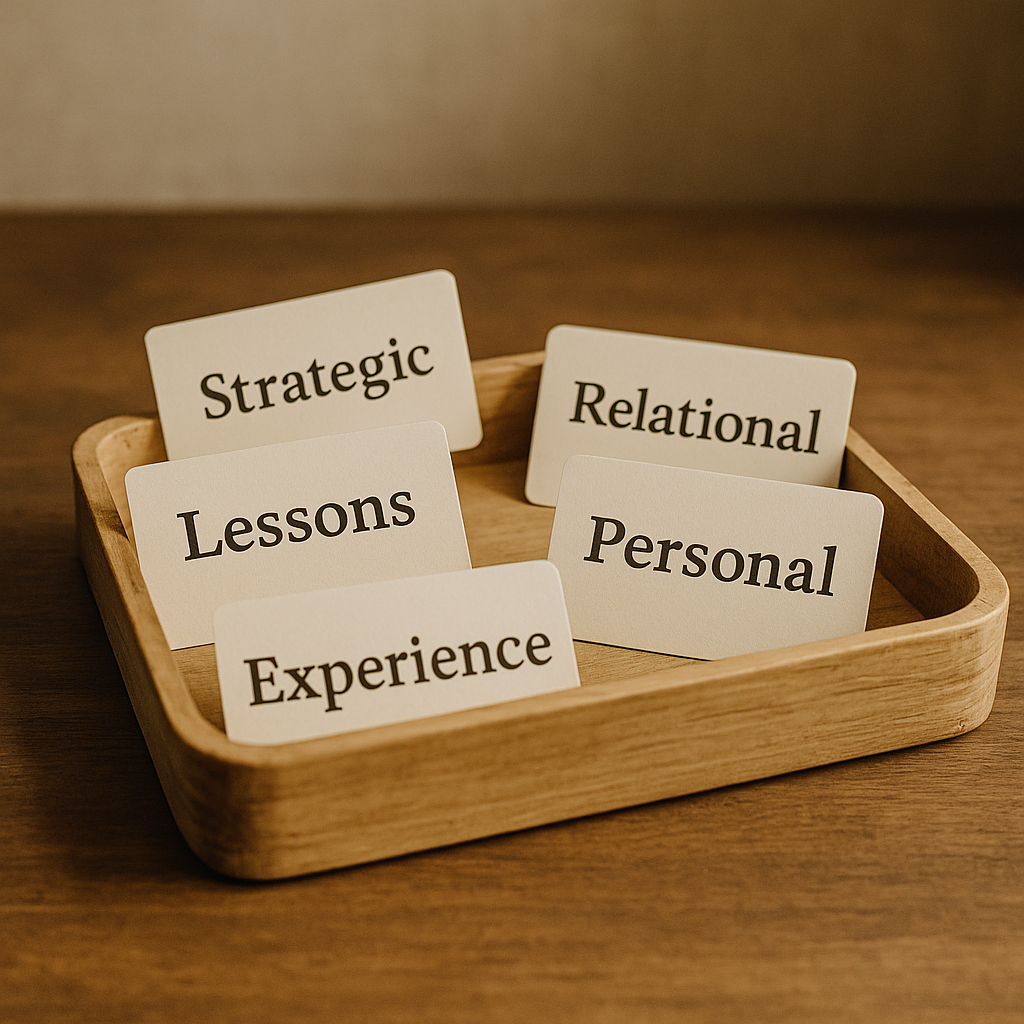
Harvest season is not just about gathering what grew. It’s about deciding what was worth keeping, what should be composted, and what needs to be replanted differently next year. Farmers don’t just hope things go better next season. They study what happened this season. Which rows underperformed. Where the soil struggled. Which conditions supported growth and which quietly worked against it.
Leadership deserves the same discipline.
If we move straight from one year into the next without stopping to harvest what our experiences produced, we don’t just miss insight. We repeat cycles. We carry forward blind spots. We re-enter the same situations with the same tools and expect a different outcome.
Real progress doesn’t start with new goals. It starts with examined ground.
Why Leaders Avoid Reflection
Most leaders already know that reflection matters. It’s not that they think it’s a waste of time. It’s that the environment they operate in rarely supports it.
There is always another meeting. Another deadline. Another issue that needs attention. Motion becomes the currency of leadership, and stillness starts to feel like indulgence. Over time, we begin to associate progress with forward movement only. Looking backward starts to feel inefficient, even dangerous, because what if we fall behind while everyone else keeps pushing ahead?
But skipping reflection doesn’t make the past disappear. It just guarantees that we bring it forward unexamined.
Every unreviewed decision, every unresolved tension, and every pattern we never slowed down enough to fully recognize comes with us into the next chapter. It shapes how we respond to people. It influences how we prioritize. It subtly programs how we react under stress. Not because we’re incapable of change, but because we never stopped long enough to understand what needed changing in the first place.
This is where leaders often lose one of the most valuable opportunities available to them.
In consulting work, you would never walk into an operation and start prescribing solutions without first understanding how things actually function on the floor. You review processes. You analyze outcomes. You observe behavior. You look at what works and what doesn’t. Only after that do you propose a new direction, because skipping that step doesn’t save time. It just creates more rework later.
Yet in our own leadership development, we often reverse that logic. We jump straight to new goals and new plans without doing the review we would demand for any professional engagement. And when that happens, we don’t just move faster. We move forward carrying the same inefficiencies, the same blind spots, and the same missed signals as before.
The Three Types of Lessons Worth Harvesting
Not all lessons are the same, and part of effective reflection is learning how to separate them rather than letting everything blur together into a vague sense of “good year” or “bad year.”
In my experience, most meaningful leadership reflection falls into three categories. Each one shapes a different part of how you show up going forward.
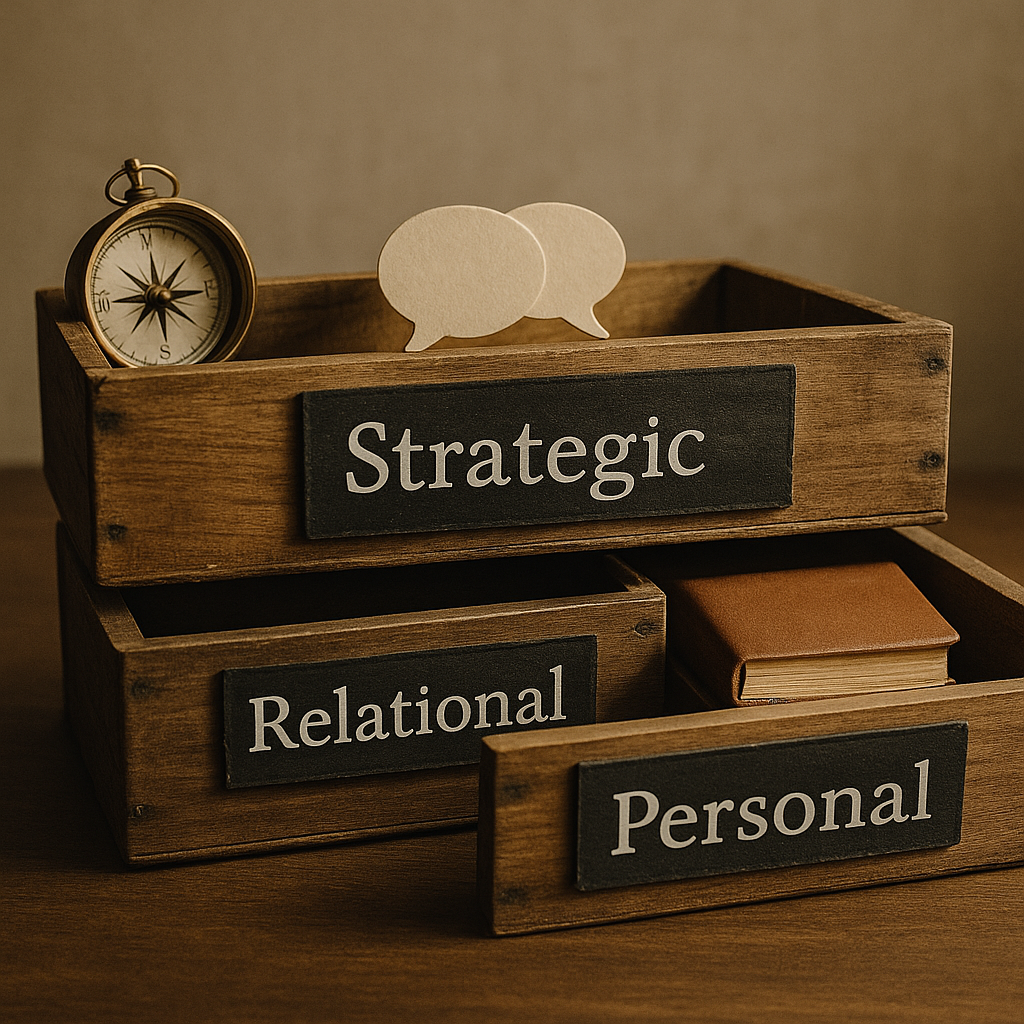
Strategic lessons are tied to decisions, timing, and direction. They come from looking at how you allocated attention and resources. They often live in questions like:
- Where did I misjudge priorities?
- What decisions created momentum, and which ones created drag?
- Where did I react instead of respond strategically?
These lessons influence how you think, not just what you choose.
Relational lessons are tied to people, communication, and trust. They surface when you look honestly at how you interacted with others. They come out in questions like:
- Where did communication help align people, and where did it create friction?
- Which relationships strengthened my leadership this year, and which ones strained it?
- Where did trust grow, and where did it quietly erode?
These lessons shape how you lead through others, not just how you lead tasks.
Personal lessons are tied to your internal world. Your energy. Your patterns. Your resilience. They often show up when you ask:
- Where did I push myself in ways that helped, and where did I push too far?
- What situations consistently drained me, and what situations brought clarity or focus?
- Where did I ignore signals I should have paid attention to sooner?
These lessons shape the leader behind the title, not just the role you occupy.
When reflection only stays at a surface level, these lessons get tangled. When you separate them, you gain clarity instead of confusion.
What Happens If You Don’t Harvest
A lot of lessons don’t disappear when you ignore them.
They repeat.
And they usually repeat louder.
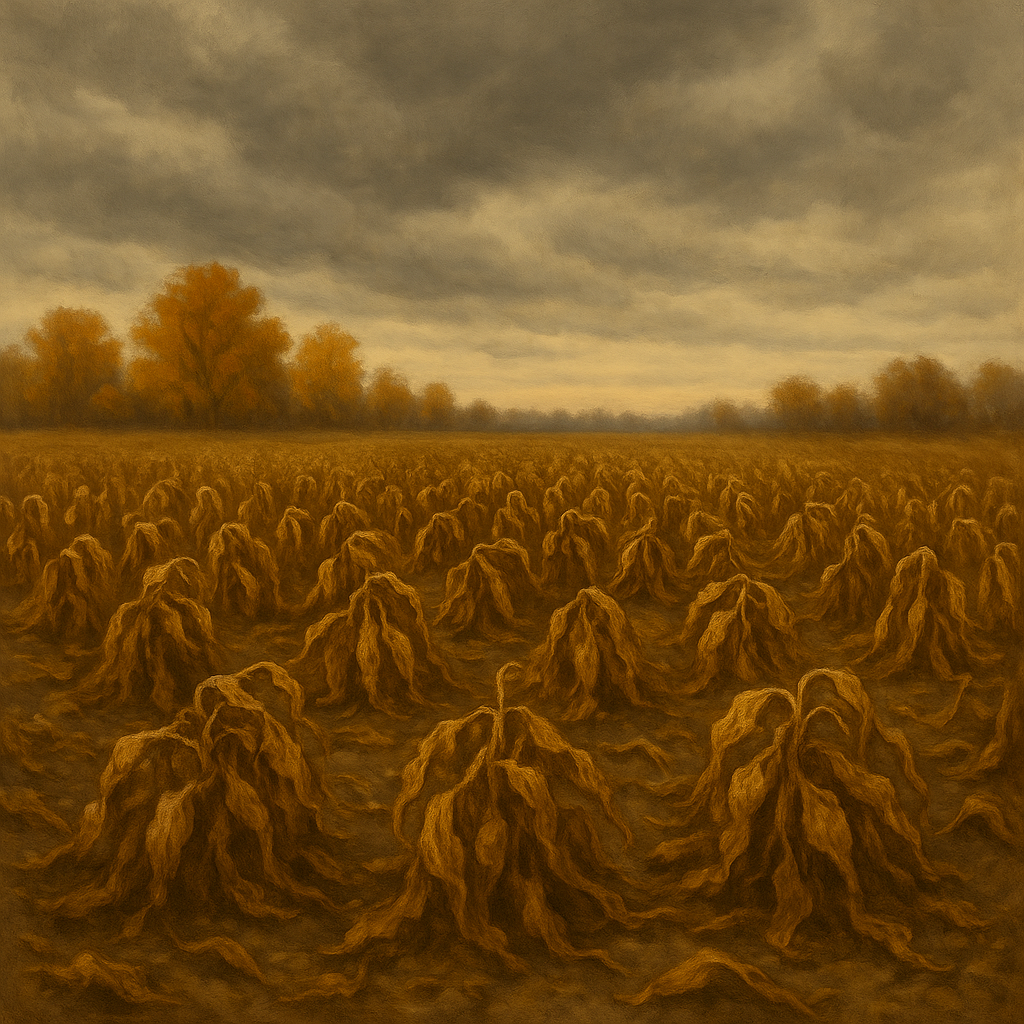
Unharvested lessons have a way of showing up again as:
- Repeated frustrations
- Similar conflicts with different people
- Burnout cycles
- Goals that sound different but fail for the same reasons
It’s not because you’re not trying hard enough. It’s because the underlying lesson never got unpacked. Most patterns don’t repeat because of stubbornness. They repeat because of unprocessed experience Reflection breaks that cycle – not magically, but by making the invisible visible.
The Cost of Not Harvesting
When lessons go unexamined, they don’t disappear. They just keep showing up in different forms.
The team issue that never fully got addressed shows up again under a different project name. The communication breakdown you brushed past reappears with a new set of people. The decision you rushed through without reflection quietly shapes the next three decisions without you even realizing it.
Over time, it starts to feel like you’re working harder for the same progress instead of building on what you’ve already earned. It’s not because you haven’t learned anything, it’s because what you learned never got processed.
Unharvested experiences turn into repetition — not always dramatic repetition, but subtle repetition. You see similar problems, similar frustrations, similar tensions, and while you may recognize them faster each time, if you never stop long enough to fully understand where they’re coming from, you still end up expending the same energy dealing with them again and again.
And that’s where the real cost shows up.
Because leadership is not just about handling situations well in the moment. It’s about reducing how often you have to handle the same situations at all. Reflection is the mechanism that allows that to happen. Without it, effort increases, but effectiveness doesn’t move nearly as much as it should.
How to Harvest Lessons Effectively
Reflection doesn’t need to be complicated, but it does need to be intentional. When it stays vague or rushed, it usually turns into little more than a mental recap of highlights and frustrations, which might feel productive in the moment but rarely changes anything going forward.
The way I encourage leaders to think about reflection is less as a year-end exercise and more as a structured review process, similar to how we would approach any operational or strategic assessment. You step back from execution, you look at what actually happened, you organize it in a way that makes sense, and you decide what you’re going to do differently because of it.
In practical terms, that’s why this reflection works best when it’s broken into the same three areas discussed earlier, rather than trying to hold everything in your head at once.
- Strategic: decisions, priorities, timing, direction
- Relational: people, communication, trust, influence
- Personal: energy, stress, focus, patterns, resilience
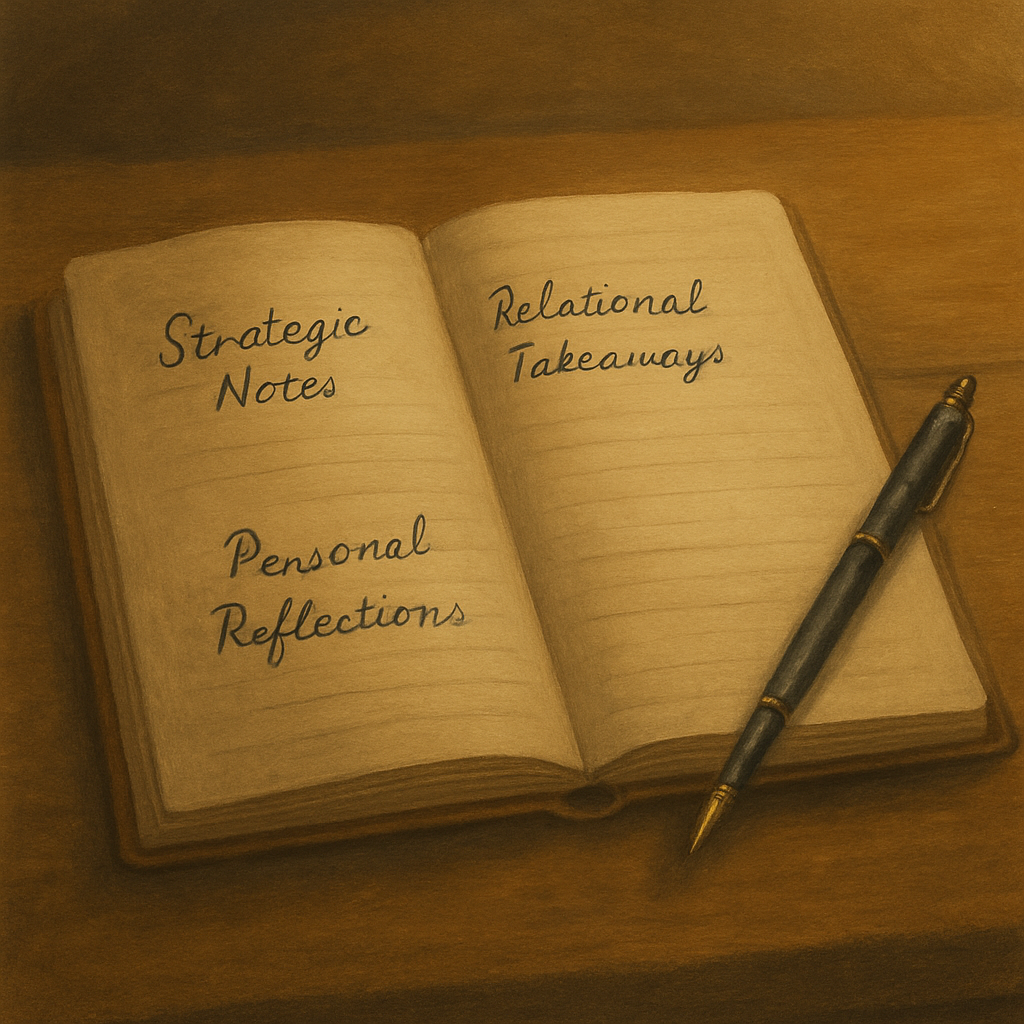
Starting with the strategic side, you’re looking at how you chose, not just what you achieved. Think through the major decisions you made, the priorities you set, and the things you consciously or unconsciously deprioritized. Ask yourself where things moved according to plan, where they didn’t, and why. Not in a critical way, but in an analytical one. The goal isn’t to judge your choices, it’s to understand what they revealed about how you think, how you respond to pressure, and how you handle trade-offs.
From there, move into the relational side, which often holds the most overlooked lessons. Think about how you showed up in key conversations, how you handled conflict or misalignment, and where trust either strengthened or weakened over time. This isn’t about reliving interpersonal frustrations. It’s about recognizing patterns in communication and behavior so that you don’t unknowingly repeat them with a different set of names and faces next year.
Then, look at the personal side, which is where reflection becomes less comfortable and more valuable. This is where you pay attention to your energy, your stress signals, and your internal responses to pressure. You’re asking things like where you pushed too hard, where you didn’t push enough, what consistently drained you, and what gave you clarity or momentum. These insights don’t just change how you lead, they change how you sustain yourself while doing it.
The point isn’t to document everything. It’s to extract the handful of lessons that, if taken seriously, would materially change how you operate going forward. Those are the ones that shape the next season.
And this is where the associated tool comes in.
Rather than trying to hold all of this in your head, I’ve built a structured reflection workbook around this process. It guides you through:
- Surveying the year as a whole
- Sorting lessons into strategic, relational, and personal “harvest bins”
- Identifying blind spots and unexpected patterns
- Choosing what to release
- Clarifying what you will consciously carry forward
- Connecting your lessons to your priorities for January
If you want to make this reflection practical instead of just conceptual, you can download the Harvesting Lessons Workbook using the link below and work through it as your year-end review. It’s not a worksheet for checking boxes; it’s a guided process for extracting real learning from what you’ve just lived through.
Reflection as Preparation, Not Closure
Most people think of reflection as something you do to put a year behind you. They treat it like wrapping up a project or closing out an account. But for leaders, reflection isn’t really about ending anything. It’s about positioning yourself for what comes next.
When you take the time to understand what the year actually produced, what it changed in you, and what it revealed about how you lead and operate, you don’t enter January empty. You enter it informed. You enter it with a clearer sense of where to adjust, where to hold steady, and where to be more intentional than you were before.
This is why the final section of the workbook doesn’t just stop at lessons learned. It forces the bridge forward.
It has you define, concretely:
- The top leadership lessons you’re carrying into the new year
- The personal lessons that affect how you manage energy and focus
- One behavior you want to strengthen
- One behavior you need to reduce or let go of
- One commitment you’re making to yourself
- One commitment you’re making to others

Not as resolutions, but as translations of what the year just taught you.
That’s what turns reflection into preparation instead of nostalgia.
Because the harvest isn’t the end of the cycle. It’s the start of the next one. It’s how you avoid repeating what has already cost you time, energy, and opportunity. And it’s how you make sure this past year doesn’t just become a memory, but becomes material that actively shapes how you lead going forward.